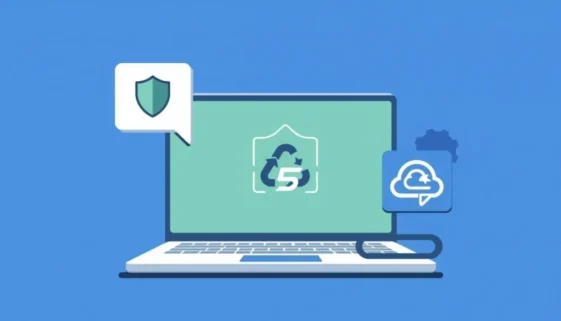
How to Back Up and Restore Windows 11 Safely (Easy Guide)

Backup Windows 11 computer is one of the most important things you can do to protect your files. Updates, crashes, malware, or hardware failure can happen without warning.
This guide shows simple, safe ways to back up and restore Windows 11, using built-in tools that are easy to follow—even if you are not technical.

Why Backing Up Windows 11 Is Important

Backup windows 11 computer protect you from:

  • System crashes or freezing

  • Failed Windows updates

  • Malware or ransomware

  • Accidental file deletion

  • Hard drive failure

👉 Related guide: Fix Windows 11 Freezing & Crashing Problems 

What You Should Back Up

At minimum, back up:

  • Documents, photos, and videos

  • Desktop files

  • Email data (if stored locally)

  • Important business files

For extra protection, you can also back up the entire system.

Use File History to Back Up Files Automatically

Using File History to back up files in Windows 11

File History is a built-in Windows 11 feature that backs up personal files.

Steps:

  1. Connect an external drive

  2. Go to Settings → System → Storage

  3. Select Advanced storage settings

  4. Choose Backup options

  5. Turn on File History

Windows will automatically back up your files.

Create a Full System Image Backup

A system image backs up everything, including Windows, apps, and settings.

Steps:

  1. Open Control Panel

  2. Go to Backup and Restore (Windows 7)

  3. Select Create a system image

  4. Choose an external drive

  5. Follow the instructions

This is useful before major updates or system changes.

Create and Use a System Restore Point

Creating a system restore point in Windows 11

System Restore allows you to undo system changes without affecting files.

Steps to create a restore point:

  1. Search Create a restore point

  2. Select your system drive

  3. Click Create

Use this before installing drivers or updates.

👉 Related guide: Fix Driver Problems in Windows 11

How to Restore Windows 11 from a Backup

If something goes wrong, you can restore your system:

  • Restore files using File History

  • Restore system image from recovery options

  • Use System Restore to undo recent changes

👉 Related guide: Fix Windows 11 Update Problems 

Backup Tips for Home Offices and Small Businesses

For added safety:

  • Keep at least one offline backup

  • Use an external drive or secure cloud storage

  • Test backups occasionally

  • Back up weekly or daily for business data

Optional tools can help automate backups window 11 computer, but built-in tools work well for most users.

How to Prevent Data Loss in the Future

  • Back up before major updates

  • Keep Windows and drivers updated

  • Use malware protection

  • Store backups in a safe location

👉 Related guide: Remove Malware from Windows 11 

OPTIONAL FAQ

Q: Is File History enough for backups?
A: It is good for personal files, but a system image offers full protection.

Q: How often should I back up Windows 11?
A: At least weekly, or daily for business files.

Q: Does System Restore back up files?
A: No. It only restores system settings.

CONCLUSION

Backing up Windows 11 does not need to be complicated. By using File History, system images, and restore points, you can protect your files and recover your PC safely if something goes wrong.
Regular backups give peace of mind and save time, especially for home users and small businesses.